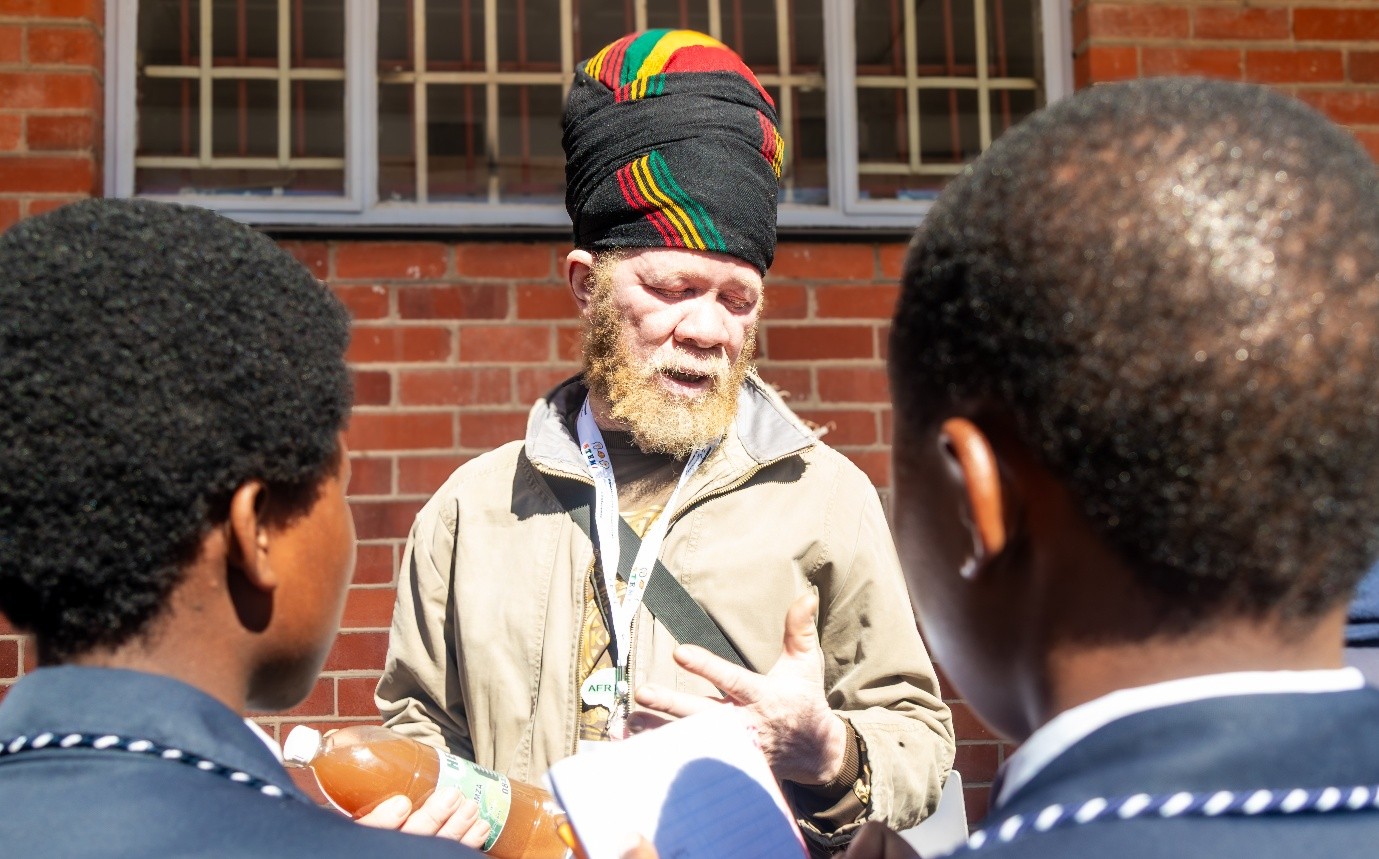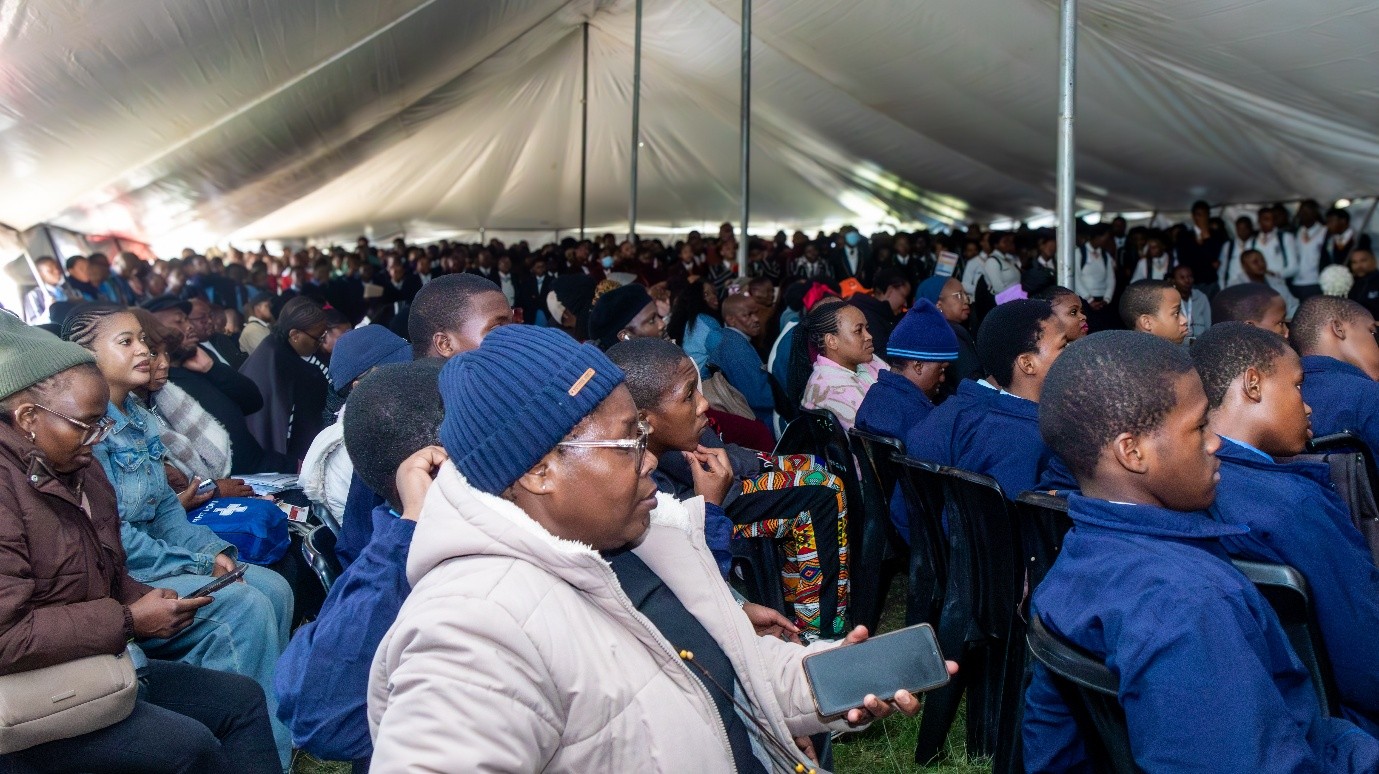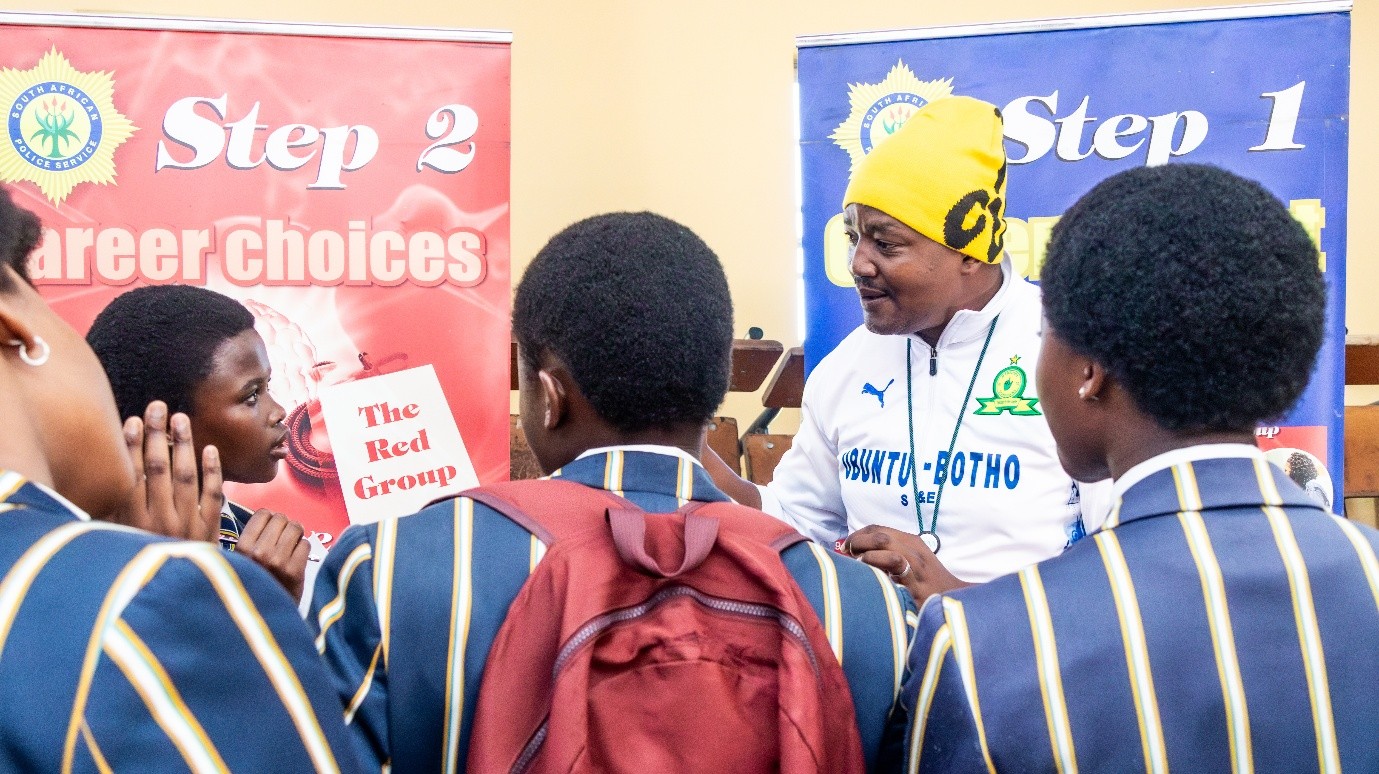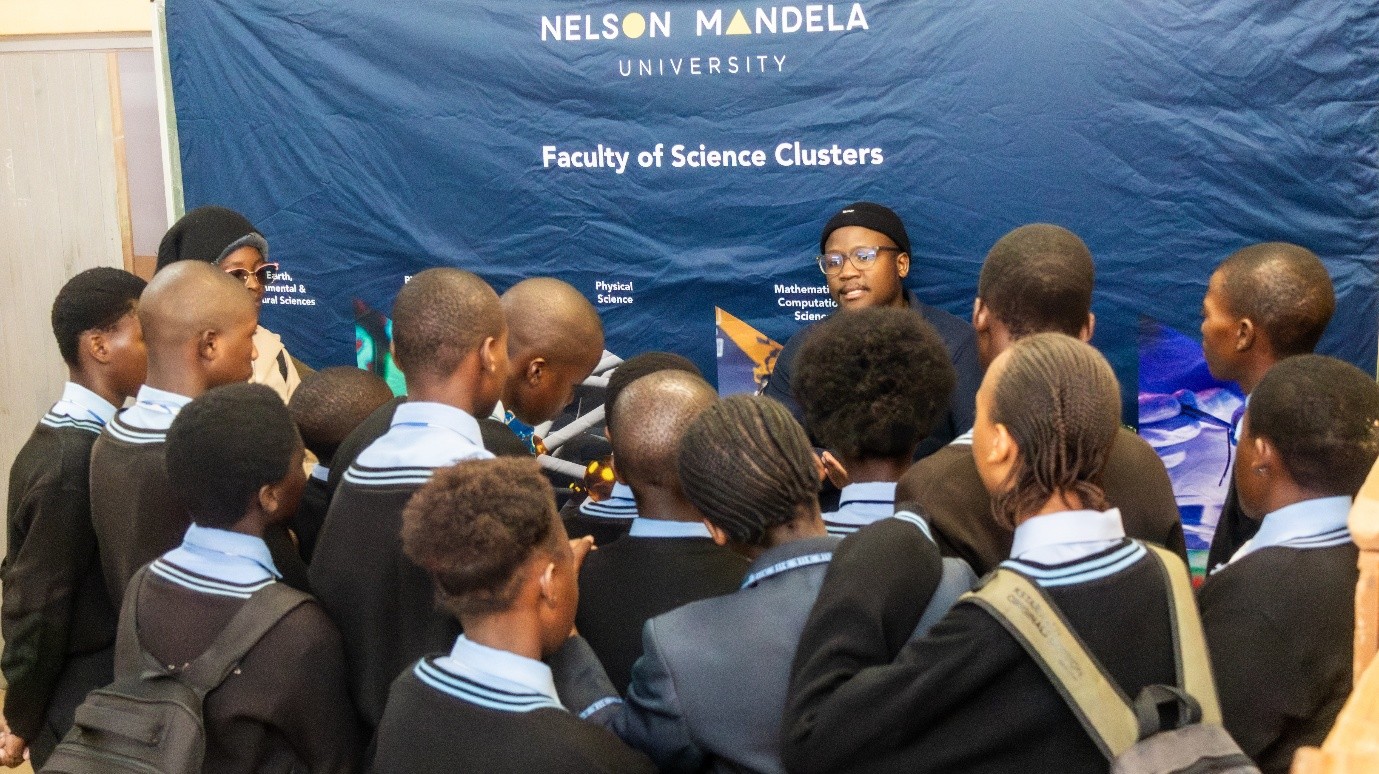
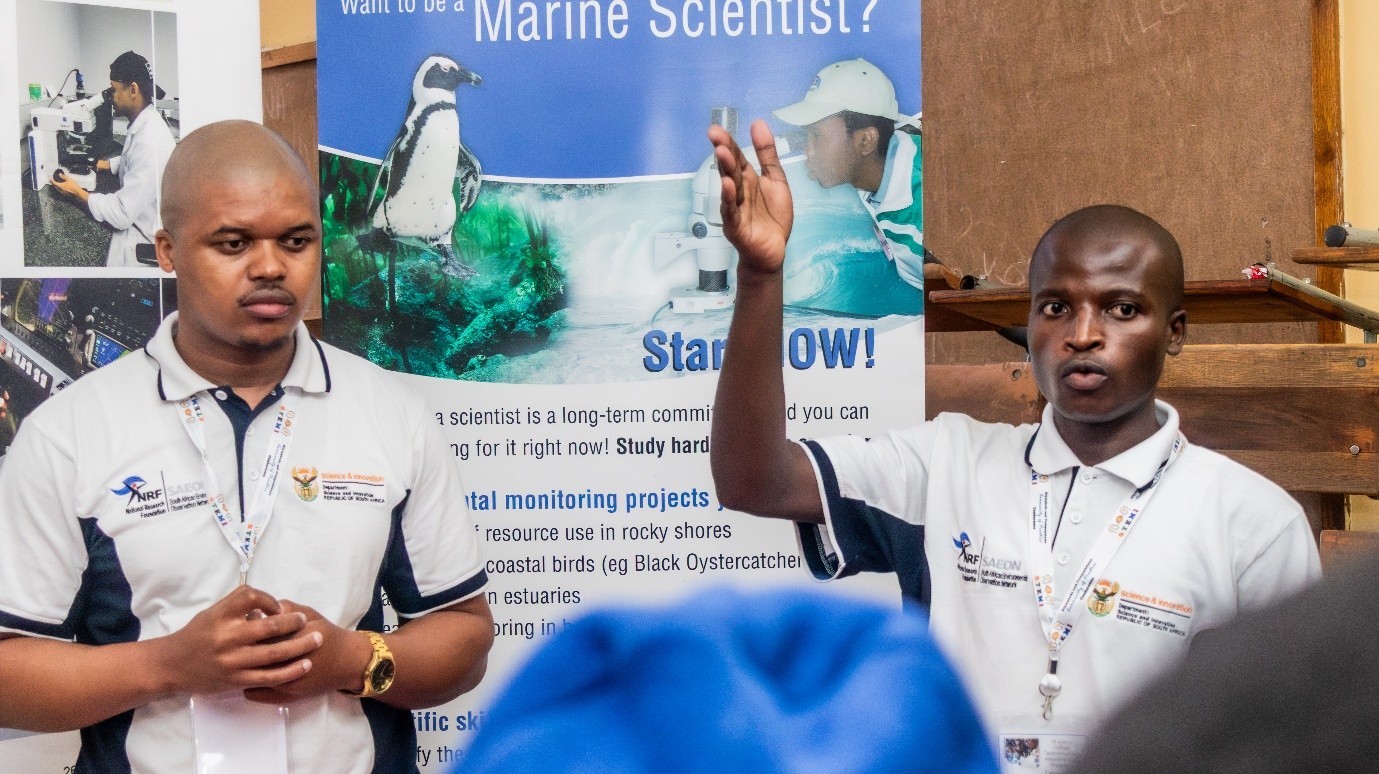
Image: NRF-SAASTA played a foundational role in coordinating the participation of various organisations at the 2026 St Johns College Technology and Innovation Hub Career Expo. First-hand exposure to STEM professionals provides inspiration to school learners to pursue careers in science.
The St John’s College Technology and Innovation Hub Career Expo, held from 8–9 May 2026 in Mthatha, Eastern Cape, successfully brought together learners, educators, higher education institutions, government departments, science organisations and industry stakeholders in a collaborative effort to empower young people through career guidance, science engagement and innovation.
Hosted under the theme “Youth, Legacy and Discovery: A Celebration of Resilience and Innovation,” the expo was coordinated through a partnership between the Department of Science, Technology and Innovation (DSTI), the Eastern Cape Department of Education (ECDoE), the National Research Foundation’s South African Agency for Science and Technology Advancement (NRF-SAASTA), and the St John’s College Technology and Innovation Hub.
The two-day event focused on exposing Grade 9–12 learners to diverse career pathways, tertiary education opportunities, innovation ecosystems and skills development programmes aligned with the future world of work. The expo promoted Science, Technology, Engineering and Mathematics (STEM); encouraged innovation and entrepreneurship; and inspired learners to pursue future-focused careers.
The scale and reach of the event demonstrated the growing importance of career expos in rural and township communities. A total of 48 schools from the OR Tambo Coastal and OR Tambo Inland regions participated in the programme. The 1 909 learners and 115 educators were exposed to 74 exhibitors and their career professionals. Participants attended structured engagement sessions, visited exhibition stalls and interacted directly with universities, SETAs, science councils, innovation hubs and professionals from a wide range of sectors.
Some of the participating exhibitors included the Council for Scientific and Industrial Research (CSIR), South African National Space Agency (SANSA), National Research Foundation’s SAEON and iThemba LABS, the South African Police Service (SAPS), University of Cape Town, University of Johannesburg, University of South Africa, Nelson Mandela University, Walter Sisulu University, Airports Company South Africa (ACSA), National Student Financial Aid Scheme (NSFAS), WorldSkills South Africa and various training institutions, municipalities and innovation stakeholders.
The programme included career guidance discussions, STEM and innovation demonstrations, bursary information sessions, mentorship engagements and interactive technology showcases designed to expose learners to opportunities within the science, technology and innovation ecosystem.
Career expos of this nature are becoming increasingly important in preparing learners for post-matric studies and careers in a rapidly diversifying economy. South Africa’s labour market is influenced by technological advancement, digital transformation, green innovation and scientific research, making early exposure to STEM opportunities critical for future employability. Through direct engagement with tertiary institutions, researchers, innovators and industry professionals, learners gain insight into academic pathways, bursary opportunities and future careers that may otherwise remain inaccessible.
This is especially significant for learners in rural and underserved communities. Many rural schools face challenges relating to access to information, career counselling resources and direct exposure to higher education institutions and emerging industries. Hosting science and career engagement programmes in areas such as OR Tambo District helps bridge these gaps by bringing opportunities directly into communities where they are most needed. Such initiatives contribute toward improving inclusivity in education and ensuring broader participation in South Africa’s knowledge economy.
The expo also highlighted the importance of science engagement in supporting national development priorities. Science engagement initiatives help create awareness and appreciation of science, technology and innovation while strengthening scientific literacy among citizens. By connecting learners with institutions involved in research, innovation and technological advancement, events such as the St John’s College Technology and Innovation Hub Career Expo encourage young people to see themselves as future scientists, engineers, innovators, entrepreneurs and researchers.As the science engagement arm of the National Research Foundation, NRF-SAASTA continues to play a leading role in coordinating science engagement initiatives across the country. NRF-SAASTA works to promote public awareness, participation and engagement in science, technology and innovation through collaborative programmes involving schools, science centres, universities, government departments, businesses and community organisations. These initiatives support South Africa’s broader objectives of building a scientifically literate and innovation-capable society.
Importantly, the St John’s College Technology and Innovation Hub Career Expo demonstrated the value of partnerships between government, academia, industry and communities in advancing youth development.
The successful hosting of the 2026 expo stands as a strong example of how collaborative science engagement can inspire young people, expand horizons and help build a more inclusive, skilled and future-ready society.


 The South Africa Agency for Science and Technology Advancement (SAASTA) is a business unit of the




 Tel: +27 (0)12 392 9300