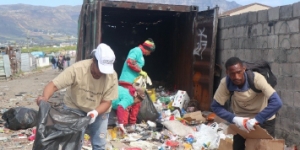
NRF, UCT Leads Collaborative Clean-Up Project in Vrygrond, Western Cape
In a remarkable initiative that transcends the excitement of the Rugby World Cup, the NRF-SAASTA, University of Cape Town (UCT) joined forces with The One Health Innovation Group, TEARS, Afripaws, and Checkers through the DSI-funded science shop project on Saturday, 28 October 2023, for a transformative clean-up project in Vrygrond, Western Cape.
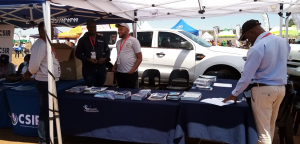
NRF-SAASTA making science accessible at the Presidential Imbizo
NRF-SAASTA together with the CSIR, UNISA Science Engagement Centre, North West University Science Centre and North West Centre for Science and Innovation represented the Department of Science and Innovation (DSI) at the Presidential Imbizo that took place at Ikageng sports Complex, Potchefstroom (Dr Kenneth Kaunda district municipality) North West province on 20 October 2023, under the theme “Leave No One Behind”.
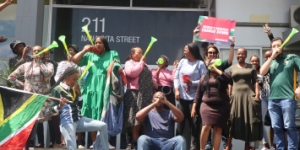
NRF-SAASTA joins Pretoria in celebrating Springboks “Rugby World Cup 2023” victory
In a jubilant display of national pride and unity, the streets of Pretoria were filled with cheers and applause as the Springbok rugby team paraded through the heart of the city, celebrating their remarkable victory in the Rugby World Cup 2023. The NRF-SAASTA team joined in the festivities, adding an extra layer of enthusiasm to the already electrifying atmosphere.
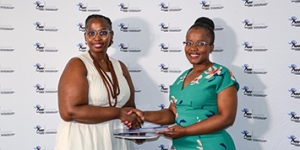
NRF-SAASTA and MDDA affirm their commitment to science journalism development in the community media in South Africa
NRF-SAASTA signed a Memorandum of Agreement (MoA) with the Media Development and Diversity Agency (MDDA) on 23 October 2023, which follows the culmination of their initial agreement which started in 2015. The renewal of the MoA is testament to the success of this partnership, which has leveraged the collective strength of the two partners in implementing their respective mandates.

Changing Landscape of Science Journalism in SA
Science journalism is a vital component of informing the public about scientific advancements and discoveries…
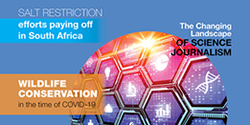
Read and download the full magazine
To read all the stories or to download the full magazine, please click on the button below. Please don’t forget to share…
 The South Africa Agency for Science and Technology Advancement (SAASTA) is a business unit of the



 Tel: +27 (0)12 392 9300
 Fax: +27 (0)12 320 7803